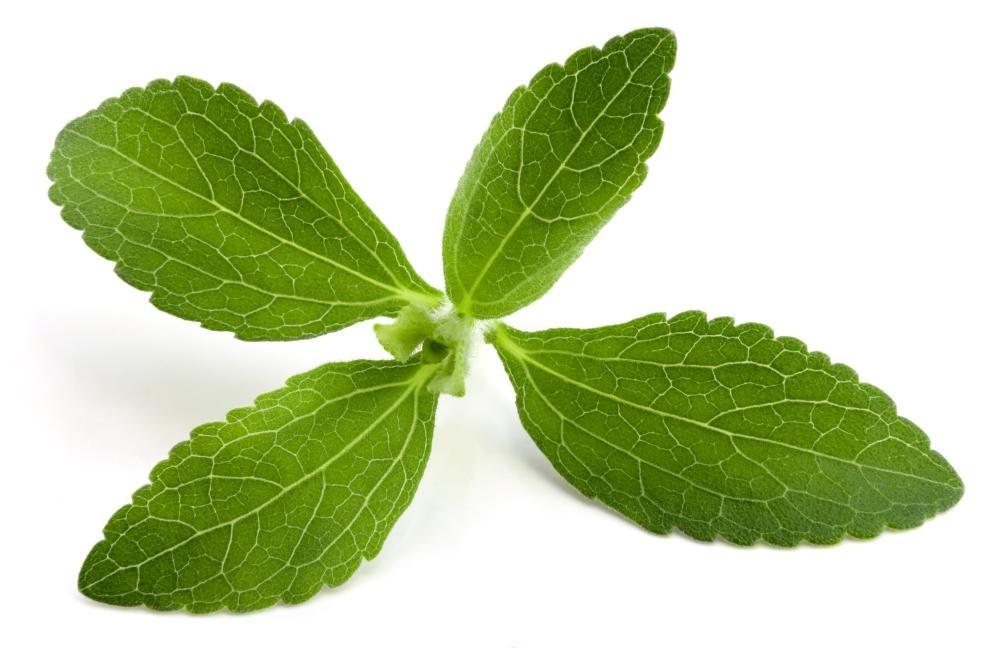
Stevia plants grow and are harvested in many countries around the world, predominantly in China and Brazil. The plants grow 2-4 feet in height with slim, branched stems, and thrive in temperate and some tropical regions. Stevia is grown by natural, conventional plant breeding methods such as cross-pollination and other non-genetically modified processes.
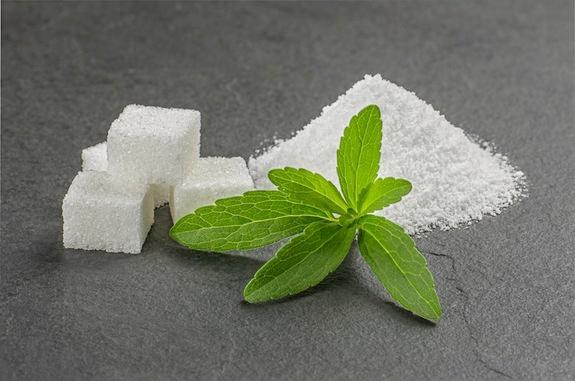
stevia leaves and sugar cubes
Stevia is an intensely sweet natural sweetener that is harvested around the world from the stevia rebaudiana plant.
The plant is cultivated as a commercial crop in Japan, China, Kenya, Vietnam, India, Argentina, Colombia, Thailand, Paraguay, and Brazil. Currently, China is the leading exporter of stevia products.
Stevia provides an important role in biodiversity due to how little land is required to grow it, allowing farmers to diversify their crops. Unlike commodity crops, stevia is grown on smaller plots of land and provides supplemental income to more commonplace crops.
As stevia is intensely sweet and an extract, it typically requires only a fifth of the land and much less water to provide the same amount of sweetness as other mainstream sweeteners. For example, in Kenya, stevia is typically grown on only a third of the land, with the rest of the land being devoted to other crops.
Benefits of Stevia
Steviol glycosides have zero calories. Stevia-based tabletop sweeteners can have zero or minimal calories per serving, depending upon the other food ingredients with which they are combined. These factors could have a positive effect on those looking to control weight or manage diabetes.
Stevia also contains certain vitamins (A, B, C), minerals (iron, zinc, calcium), electrolytes (sodium, potassium), proteins, and other elements.
Diabetes?
Research has shown that stevia sweeteners do not contribute calories or carbohydrates to the diet and do not affect blood glucose or insulin response, which allows people with diabetes to consume a wider variety of foods and comply with a healthful meal plan.
A randomized controlled trial over 16 weeks had 122 participants take four doses of approximately 330 mg of steviol equivalents over the course of a day. Compared to placebo, there was no impact on blood sugar levels. For this study, >97% rebaudioside A was used.
Weight Control
The causes of overweight and obesity around the globe are quite complex and include factors such as an increase in physical inactivity due to increased sedentary time and increased intake of energy-dense foods that are high in fat and added sugars.
The intake of added sugars has been shown to contribute an average of 16% of the total calories in the American diet, and has been linked to weight gain and adverse effects on glycemic control.
Plant-based, zero calorie stevia can be part of a well-balanced diet to help reduce energy intake without sacrificing taste.
Replacing just 25g (about 6 teaspoons) of nutritive sweeteners in foods and beverages can provide a 100-kilocalorie reduction.